
EV Charging Types Explained
EV Charging Types Explained
Posted on August 18, 2026
Level 1 vs. Level 2 vs. DC Fast Charging: A Guide for Orillia EV Drivers
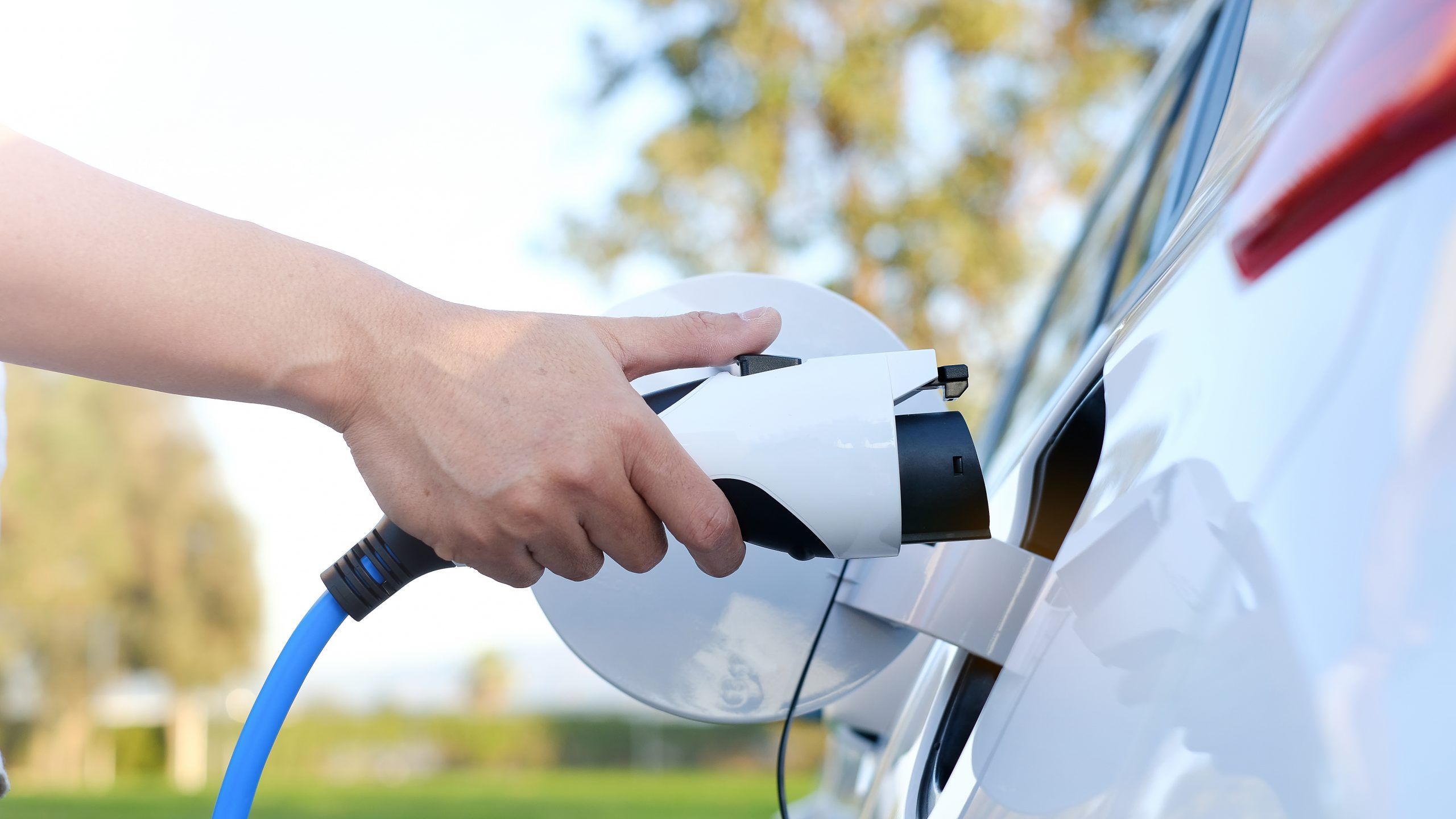
Electric vehicle charging becomes much easier once each charging level has a clear job. Level 1 is the slowest and most accessible option, Level 2 is the usual foundation for home charging, and DC fast charging is designed primarily for quicker stops during longer travel.
The right routine for an Orillia driver may use all three.
Compare the Three EV Charging Levels
Actual charging speed depends on the vehicle, battery temperature, state of charge, charger output, and environmental conditions.
| Charging Type | Typical Location | Best Use | Planning Consideration |
|---|---|---|---|
| Level 1 | Compatible household outlet | Light daily driving or supplemental charging | Adds energy slowly |
| Level 2 | Home, workplace, hotel, or public site | Regular overnight or destination charging | Home installation may require an electrician |
| DC Fast Charging | Public highway and commercial charging sites | Longer trips and quicker en-route charging | Speed and connector access vary |
When Level 1 Charging Can Work
Level 1 charging may be enough for someone who drives a short distance each day, can remain plugged in for long periods, and has other charging options available when needed.
Before using a household outlet regularly, confirm that the outlet and circuit are appropriate for EV charging. Avoid extension cords or improvised connections, and follow the charging-equipment instructions.
Why Many Owners Choose Level 2 at Home
Level 2 charging generally replenishes a battery much faster than Level 1, making it well suited to overnight charging. A driver can arrive home, connect the vehicle, schedule charging if desired, and begin the next day with energy restored.
Have a qualified electrician evaluate:
- Available electrical-panel capacity
- Charger location and cable reach
- Indoor or outdoor installation requirements
- Permits and local electrical requirements
- Future charging needs
When to Use DC Fast Charging
DC fast charging is most helpful during longer journeys, such as travel from Orillia toward the Greater Toronto Area or deeper into Cottage Country. It is usually not necessary to rely on it for every routine charge when dependable home charging is available.
For a smoother charging stop:
- Locate a compatible station before leaving.
- Check recent station status where possible.
- Confirm the connector or approved adapter required by your vehicle.
- Arrive with enough energy to reach a backup station.
- Expect charging speed to change as the battery fills.
Create a Charging Plan Before Choosing an EV
Start with your longest common day, not your shortest. Include commuting, errands, school pickups, recreational travel, and winter energy use. Then decide where the vehicle could charge during the longest parked period.
The Chevrolet Equinox EV provides an approachable example of an electric SUV for commuting and weekend travel. Our team can explain its charging equipment and help you compare it with other vehicles in our new inventory.
Support After You Go Electric
EVs still require tire care, inspections, brake-system attention, software updates, and checks of charging-related components. Review our electric vehicle maintenance services to learn how our team can support the vehicle after delivery.